How Home Care for Seniors Promotes Better Nutrition and Daily Wellness
Business Name: FootPrints Home Care
Address: 4811 Hardware Dr NE d1, Albuquerque, NM 87109
Phone: (505) 828-3918
FootPrints Home Care
FootPrints Home Care offers in-home senior care including assistance with activities of daily living, meal preparation and light housekeeping, companion care and more. We offer a no-charge in-home assessment to design care for the client to age in place. FootPrints offers senior home care in the greater Albuquerque region as well as the Santa Fe/Los Alamos area.
4811 Hardware Dr NE d1, Albuquerque, NM 87109
Business Hours
Most families notice it gradually. A parent who as soon as cooked full meals now chooses at toast. Groceries spoil in the refrigerator. Preferred dishes vanish from the rotation, replaced by crackers, microwave cups, or nothing at all. Weight starts to drop, or blood sugar sneaks out of variety.
Nutrition problems in later life hardly ever come from one basic cause. They originate from a build-up of small barriers: arthritic hands that fight with containers, a foggy memory that misses lunch, a set income that makes fresh fruit and vegetables seem like a luxury, sorrow that steals cravings, or medication adverse effects that turn food sour.
Home care, when it is succeeded, satisfies senior citizens at that intersection. At home senior care does much more than light housekeeping and trips to appointments. For many older grownups, specifically those figured out to age in place, a thoughtful caregiver can be the distinction between just getting by and in fact keeping strength, self-respect, and enjoyment in daily life.
This is specifically clear in neighborhoods like Albuquerque, where families are often spread out across long distances, and seniors are determined to remain in the homes and communities they understand. Albuquerque home care companies that take nutrition seriously see the ripple effect in everything from mood and mobility to less emergency health center visits.
The details matter, and much of the work is quieter and more individual than glossy brochures suggest.
Why nutrition breaks down when seniors live at home
Before taking a look at how home care assists, it helps to be blunt about the kinds of obstacles seniors face with food and day-to-day routines. Families often underestimate these up until there is a crisis.
Many older grownups deal with a combination of issues:
Problem standing for long periods at the range, issues raising pots or bending to reach lower cabinets, vision changes that make checking out labels or dishes harder, slower reaction times that make cooking on a gas variety feel risky, and fear of falling that leads them to avoid busy cooking areas altogether.Layer on health conditions. Somebody with heart failure may be on a low-sodium diet plan, a person with diabetes needs to stabilize carbs and medications, and those with kidney disease have complicated limitations around potassium and phosphorus. All of that can turn eating into a source of stress and anxiety rather than satisfaction. When food feels like a test, some people albuquerque home care pull out as much as they can.
Cognitive changes include another level. With early dementia, a senior might forget that food is in the oven, or eat the exact same small treat all the time, persuaded they currently had a meal. They might become suspicious of particular foods or hesitant to get rid of ruined items because they no longer trust their judgment.
Social and psychological aspects are simply as powerful. Widowed seniors typically state that "cooking for one" feels pointless. Anxiety, isolation, and sorrow moisten hunger. Some people avoid meals to extend their budget plan, specifically when prescription costs climb.
When you include these together, even someone living in a fully equipped cooking area with a full pantry can wind up malnourished. That is where senior home care can quietly reset the whole environment.
How in-home care stabilizes daily nutrition
Good home care for elders does not begin by handing out diet sheets. It begins by listening. A knowledgeable caretaker or nurse asks what the person likes, what foods feel comforting, when they prefer to consume, and which jobs are hardest. Just then do they begin to build a sustainable routine.
Several themes tend to show up again and once again in reliable in-home care.
Turning meals back into a shared activity
Food is social. Many older adults consume better when another person remains in the kitchen area with them. In-home senior care employees typically function as both coach and companion. They may sit at the table and slice veggies alongside the customer, or just share the meal and conversation.
Something as small as "Let us taste this together and see if it needs more seasoning" can bring back a sense of control and pleasure. Families who live out of town are generally alleviated to hear that their parent is not consuming every meal alone.
Removing physical barriers in the kitchen
One of the most useful roles of elder care at home is to make cooking areas functional once again without turning the space into a hazard.
A caretaker may restructure regularly utilized items to waist height, so a customer does not have to reach high racks or crouch to the flooring. They can move sugar, flour, or cereal into containers with easy-open lids, put a contrasting placemat under plates to assist visually impaired customers see their food, or set up a steady stool so that peeling potatoes no longer indicates standing for 30 minutes.
Many caretakers quietly become "cooking area ergonomics" experts out of necessity. They see, over and over, that when the environment supports the senior, nutrition tends to enhance naturally.
Bringing structure to the day
Regular meals and treats help support blood sugar level, energy, and state of mind. Left alone, some senior citizens drift into unforeseeable patterns, skipping breakfast, grazing late at night, or blending medication and meals.
A consistent presence in the home, even simply a couple of hours most days, helps bring back regular. Caregivers can build practices such as a small, protein-rich breakfast within an hour of waking, a midmorning snack, and a main meal when the senior feels most energetic. For many, that is previously in the day rather than a late dinner.
Medication timing belongs to this puzzle. Particular drugs work best when taken with food, others require an empty stomach. In-home care employees who focus on these details prevent the cycle of "I felt ill after that pill, so I stopped eating when I take it."
Shopping and meal preparation that match reality
A meal plan that looks ideal on paper but ignores the local grocery choices, spending plan, and actual preferences will not last. Experienced caregivers start by looking into the pantry, fridge, and freezer. They see what is currently familiar, what is going to waste, and what is missing.
For seniors in Albuquerque, that might mean building around local staples: beans, tortillas, eggs, frozen veggies, and seasonal produce from close-by markets. A caretaker can carefully shift a client from high-sodium canned soups towards easy homemade stews, or from sweet beverages toward flavored water and organic teas, but just if the alternatives are simple to keep in between visits.
When transport is a problem, home care staff often take on the grocery shopping, assist the customer order online, or coordinate with neighborhood programs that deliver meals or fresh food boxes. That closes a major gap for numerous families.
Specific methods caretakers improve nutrition day to day
Although each senior is different, certain repeating strategies show up in effective home care.
- Assessing hunger and weight patterns, then sharing worry about family or nurses before a crisis establishes
- Preparing nutrient-dense, easy-to-chew meals that match dietary restrictions recommended by clinicians
- Encouraging hydration with practical strategies such as keeping water within reach in every room and using small sips often
- Monitoring for swallowing troubles, queasiness, or new food refusals that could signal medication issues or disease development
- Keeping a low-key food journal, noting what the customer in fact consumes and at what times, so patterns end up being visible
None of these is especially dramatic. Together they provide a safeguard around nutrition, which is typically difficult to keep from a range with periodic visits.
Beyond food: how senior home care supports everyday well-being
Nutrition and daily well-being operate in both instructions. When mobility, mood, and safety improve, so does hunger. Likewise, when an individual drinks and eat enough, they think more plainly, walk more steadily, and sleep better. Home care affects both sides of that relationship.
Supporting mobility and strength
Malnutrition deteriorates muscles, which makes falls most likely and motion more uncomfortable. Then the person ends up being more inactive, burning even less calories, losing more muscle, and often consuming even less. It is a vicious cycle.
In-home care groups often break that cycle by combining suitable activity with better food. After a primary meal, a caretaker might motivate a brief walk down the hallway or outdoors to the mailbox, depending on ability. They might guide simple chair workouts or range-of-motion regimens prescribed by a physical therapist.
Small dosages of motion, done consistently, help preserve leg strength, balance, and confidence. Clients who feel stable on their feet are more willing to stand at the sink to wash fruit or heat something on the range, which keeps them engaged with their own meals rather than totally dependent on ready-made options.
Managing medications that affect hunger and digestion
Many typical drugs for blood pressure, pain, depression, and heart problem can dull the taste of food, trigger dry mouth, or trigger nausea and constipation. Without someone in the home to see, these side effects quietly wear down nutrition.
Attentive caregivers area patterns: "She has actually been pressing food away since the new tablet was included" or "He consumes fine in the morning however refuses dinner after his afternoon dose." They can not alter prescriptions, however they can document what they see and report it to nurses, doctors, or case managers. That information is often what prompts a medication review.
Simple non-pharmacologic actions also assist tremendously: encouraging fiber and fluids for constipation, using mild, room-temperature foods for nausea, or utilizing sugar-free lozenges to alleviate dry mouth. These small modifications keep eating from ending up being a battle.
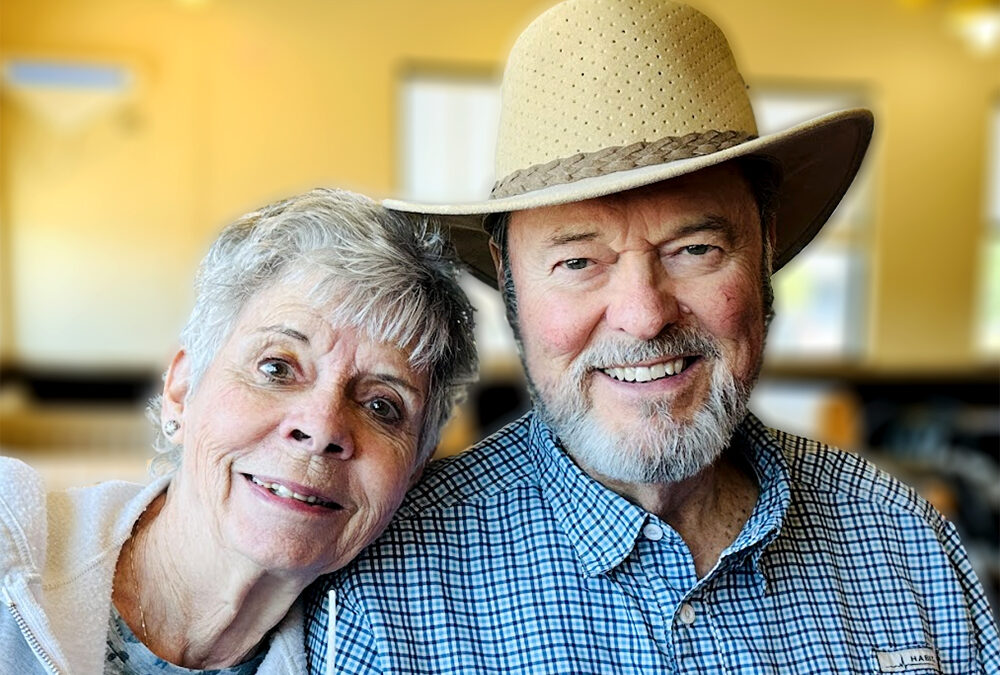
Hygiene, self-respect, and appetite
It is simple to neglect how closely individual hygiene and appetite link. Seniors who feel neglected, with unwashed hair or clothes, frequently dislike meals. They might avoid drinking to reduce restroom trips, which gets worse dehydration.
Home care personnel support bathing, grooming, and dressing at a level that feels considerate rather than infantilizing. When somebody is tidy, in comfy clothes that fit, and sitting at a cleared table rather of eating on the edge of a bed, they tend to eat more and enjoy it.
This is one of the peaceful advantages of in-home care for parents who highly resist more institutional settings. They keep their own possessions, their chair, their preferred mug, but gain the support that permits them to use those things.
Emotional well-being and companionship
Loneliness is a powerful hunger suppressant. Lots of elders confess that when nobody is coming over, they hardly trouble with a real meal. They might treat on cookies or crackers in front of the television and call it dinner.
The presence of a constant caretaker changes that emotional landscape. Conversations about family, memories, or community news while preparing a basic meal can reawaken interest in food. A caregiver who keeps in mind that the client's mother used to make green chile stew and uses to assist make a mild variation together is not just cooking, but reinforcing identity and continuity.
Families are frequently shocked that even a few hours of companionship numerous days a week can move a parent from "simply munching" to "actually ending up a plate."
The regional layer: Albuquerque home care and regional factors
Albuquerque and surrounding communities have particular conditions that shape how home care supports nutrition and daily life.
The high-desert climate makes dehydration a persistent risk. Older grownups are currently less most likely to feel thirst; add dry air and, in the summer season, extreme heat, and fluid requires climb. Home caretakers in Albuquerque find out to develop hydration into the regular as naturally as breathing. They fill water bottles before a walk, pour a glass before medication, keep organic tea or low-sugar aguas frescas in the fridge.
Humidity at home is frequently low, which can dry mucous membranes and blunt taste. That, in turn, discourages consuming. Mild broths, sauces, and wet foods assist neutralize this, and caregivers often become skilled at changing textures without making meals feel "institutional."
Cultural food preferences likewise matter. Lots of older New Mexicans matured with specific dishes and tastes: corn, beans, squash, red or green chile, tortillas, and stews. A nutrition plan that ignores these in favor of boring "senior diet" tips is not likely to stick. The best Albuquerque home care groups deal with those customs, not against them. They help adjust favorite recipes to fulfill salt, fat, or carbohydrate standards where needed, instead of changing them with unfamiliar options.
Urban design matters too. Not every community has simple access to large grocery chains. Some seniors rely on smaller markets, corner store, or weekly trips collaborated with household. Caretakers bridge those gaps with prepared shopping trips, kitchen stocking techniques, and, when proper, referrals to regional meal shipment, senior centers, and food assistance programs.
Working with households: home care for parents without taking control away
Adult children often feel pulled in between concern and respect for autonomy. They may observe weight-loss or chaotic kitchens throughout short visits, but when they raise it, their parents respond with pride or irritation: "I am great, stop fussing."
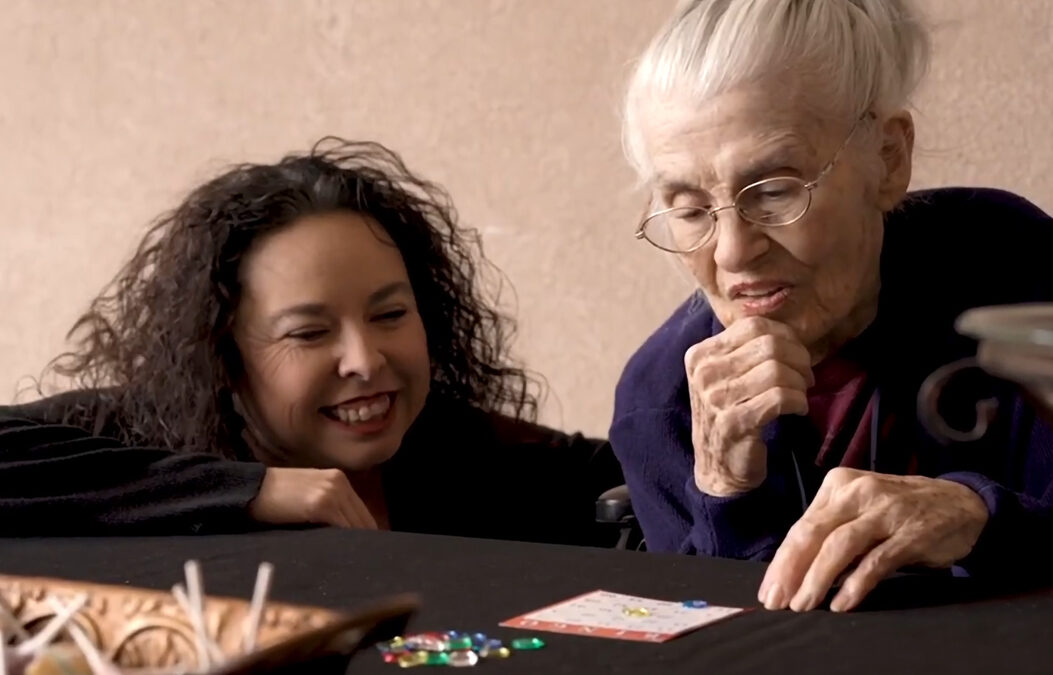
One advantage of senior home care is that the caretaker is not part of old family dynamics. A parent who withstands advice from a son or daughter may accept the very same suggestion from a neutral professional who is physically present during difficult moments, such as having a hard time to open a can or nearly falling while carrying a pan of boiling water.
Effective in-home care weaves family participation into the routine without smothering the elder. That may appear like:
- Regular updates to household about weight patterns, hunger modifications, or safety concerns
- Clear boundaries so that the senior understands they stay in charge of their home and choices
- Practical communication about grocery budgets, prescription refills, and upcoming visits
- Occasional "joint" visits where caregiver, senior, and family discuss what is working and what feels intrusive
- Respect for cultural and generational differences in how food, privacy, and aid are seen
When these components line up, home look after parents becomes a collaboration rather than a power battle. Households can go back from continuous worry and enter more unwinded, meaningful visits: sharing stories, browsing photo albums, or attending a grandchild's recital, rather of racing around the cooking area and pillbox for the entire visit.
Selecting an at home senior care supplier with a nutrition focus
Not every firm or independent caretaker approaches nutrition with the very same depth. When families explore elder care alternatives, it helps to ask targeted questions rather than rely on general guarantees about "meal preparation consisted of."
Consider this short checklist as you assess providers:
- Ask who in fact prepares meals and how they coordinate with a doctor's or dietitian's suggestions
- Find out whether caretakers receive training on special diets, such as low-sodium, diabetic, renal, or texture-modified strategies
- Ask how they keep an eye on changes in appetite, weight, or hydration and how quickly they communicate issues to families or nurses
- Clarify whether grocery shopping, pantry organization, and help with eating are all within the scope of service
- Request examples, without names, of how they have adapted to challenging scenarios, such as a customer with dementia who declines most foods
The quality of the answers matters more than sleek marketing. Look for specifics, not vague pledges. A provider deeply engaged with nutrition will explain genuine problem-solving: how they dealt with a client who would only eat certain foods, how they worked around a minimal spending plan, or how they helped stabilize a senior's blood glucose through collaborated meal timing.
Local references matter as well. In Albuquerque, next-door neighbors talk. Ask physicians, healthcare facility discharge coordinators, and senior centers which agencies regularly support clients in your home without a pattern of duplicated emergency situation visits.
When is it time to add home care?
Families typically wait until a fall, hospitalization, or major weight reduction before bringing in home care. From a professional perspective, the earlier support begins, the more self-reliance can be preserved.
Warning indications that recommend it is time to explore senior home care consist of clothing that unexpectedly hang loose, expired food or extremely little genuine food in the fridge, confusion about medications or missed dosages, duplicated minor falls or near-falls in the kitchen, or a basic withdrawal from preferred activities.
Some families experiment with a limited schedule initially, such as a few mornings or afternoons per week concentrated on meals and light activity. If that works out, more hours can be added. It is frequently much easier for a happy parent to accept "a little assist with the heavy things" than a full-blown intervention.
The secret is to frame home care not as a loss of self-reliance, but as a tool to hold onto it longer. A senior who eats well, moves safely, and has companionship is even more likely to remain in their own home than somebody having a hard time alone with hidden malnutrition and unmanaged health issues.

The deeper effect: safety, healthcare facility avoidance, and quality of life
From a medical perspective, great nutrition in your home lowers threats that families rarely link straight to food. When elders consume sufficiently, they preserve better blood pressure control, fewer urinary system infections, much better wound recovery, and more stable state of minds. Each of these lowers the opportunity of emergency room visits and unintended health center admissions.
Hospitalizations, in turn, frequently accelerate practical decrease. A brief pneumonia admission can lead to muscle loss, delirium, and new reliance in somebody who was just hardly getting by previously. Avoiding those spirals through fairly basic, constant support at home is one of the peaceful successes of thoughtful home care.
At a more human level, food is one of the last day-to-day enjoyments many people keep. Being able to sit at a familiar table, taste preferred dishes, talk with someone who understands their story, and feel strong enough to get up and walk later is not a small thing. It is a large part of what makes life feel like life instead of simple survival.
Home care exists in that everyday area. It is not attractive, however when done well, it is deeply effective. It turns kitchen areas back into habitable spaces, routines back into stabilizing anchors, and meals back into moments of connection. For senior citizens intent on staying at home in Albuquerque or anywhere else, those are the foundation of real well-being.
FootPrints Home Care is a Home Care Agency
FootPrints Home Care provides In-Home Care Services
FootPrints Home Care serves Seniors and Adults Requiring Assistance
FootPrints Home Care offers Companionship Care
FootPrints Home Care offers Personal Care Support
FootPrints Home Care provides In-Home Alzheimer’s and Dementia Care
FootPrints Home Care focuses on Maintaining Client Independence at Home
FootPrints Home Care employs Professional Caregivers
FootPrints Home Care operates in Albuquerque, NM
FootPrints Home Care prioritizes Customized Care Plans for Each Client
FootPrints Home Care provides 24-Hour In-Home Support
FootPrints Home Care assists with Activities of Daily Living (ADLs)
FootPrints Home Care supports Medication Reminders and Monitoring
FootPrints Home Care delivers Respite Care for Family Caregivers
FootPrints Home Care ensures Safety and Comfort Within the Home
FootPrints Home Care coordinates with Family Members and Healthcare Providers
FootPrints Home Care offers Housekeeping and Homemaker Services
FootPrints Home Care specializes in Non-Medical Care for Aging Adults
FootPrints Home Care maintains Flexible Scheduling and Care Plan Options
FootPrints Home Care is guided by Faith-Based Principles of Compassion and Service
FootPrints Home Care has a phone number of (505) 828-3918
FootPrints Home Care has an address of 4811 Hardware Dr NE d1, Albuquerque, NM 87109
FootPrints Home Care has a website https://footprintshomecare.com/
FootPrints Home Care has Google Maps listing https://maps.app.goo.gl/QobiEduAt9WFiA4e6
FootPrints Home Care has Facebook page https://www.facebook.com/FootPrintsHomeCare/
FootPrints Home Care has Instagram https://www.instagram.com/footprintshomecare/
FootPrints Home Care has LinkedIn https://www.linkedin.com/company/footprints-home-care
FootPrints Home Care won Top Work Places 2023-2024
FootPrints Home Care earned Best of Home Care 2025
FootPrints Home Care won Best Places to Work 2019
People Also Ask about FootPrints Home Care
What services does FootPrints Home Care provide?
FootPrints Home Care offers non-medical, in-home support for seniors and adults who wish to remain independent at home. Services include companionship, personal care, mobility assistance, housekeeping, meal preparation, respite care, dementia care, and help with activities of daily living (ADLs). Care plans are personalized to match each client’s needs, preferences, and daily routines.
How does FootPrints Home Care create personalized care plans?
Each care plan begins with a free in-home assessment, where FootPrints Home Care evaluates the client’s physical needs, home environment, routines, and family goals. From there, a customized plan is created covering daily tasks, safety considerations, caregiver scheduling, and long-term wellness needs. Plans are reviewed regularly and adjusted as care needs change.
Are your caregivers trained and background-checked?
Yes. All FootPrints Home Care caregivers undergo extensive background checks, reference verification, and professional screening before being hired. Caregivers are trained in senior support, dementia care techniques, communication, safety practices, and hands-on care. Ongoing training ensures that clients receive safe, compassionate, and professional support.
Can FootPrints Home Care provide care for clients with Alzheimer’s or dementia?
Absolutely. FootPrints Home Care offers specialized Alzheimer’s and dementia care designed to support cognitive changes, reduce anxiety, maintain routines, and create a safe home environment. Caregivers are trained in memory-care best practices, redirection techniques, communication strategies, and behavior support.
What areas does FootPrints Home Care serve?
FootPrints Home Care proudly serves Albuquerque New Mexico and surrounding communities, offering dependable, local in-home care to seniors and adults in need of extra daily support. If you’re unsure whether your home is within the service area, FootPrints Home Care can confirm coverage and help arrange the right care solution.
Where is FootPrints Home Care located?
FootPrints Home Care is conveniently located at 4811 Hardware Dr NE d1, Albuquerque, NM 87109. You can easily find directions on Google Maps or call at (505) 828-3918 24-hoursa day, Monday through Sunday
How can I contact FootPrints Home Care?
You can contact FootPrints Home Care by phone at: (505) 828-3918, visit their website at https://footprintshomecare.com, or connect on social media via Facebook, Instagram & LinkedIn
A visit to the ABQ BioPark Botanic Garden offers a peaceful, gentle outing full of nature and fresh air — ideal for older adults and seniors under home care.